When to Replace Fencing
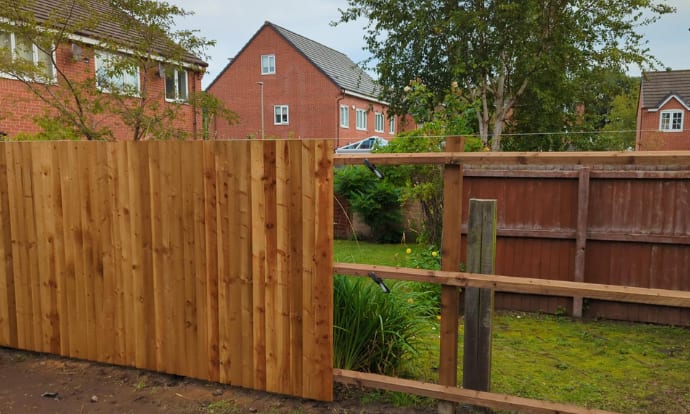
Like any outdoor structure, fencing systems should be inspected regularly. Identifying early signs of damage helps prevent long-term issues, ensures continued performance, and avoids unsightly or unsafe breakages.
In this guide, we explore common types of damage, what causes them, and how to decide whether repair or full replacement is the best option.
Repair vs Replace
In many cases, repairs can be more cost-effective than a full replacement. However, this depends on the extent and type of damage. The first step is to assess whether the fence remains structurally sound and fit for purpose once repairs are completed.
Consider the system in place. Modular systems, such as palisade fencing or mesh panels, allow individual pales, panels, or posts to be replaced without disturbing the entire structure. This can significantly reduce costs and downtime.
It’s also important to think long-term. Any repair or replacement should be part of a wider plan to strengthen and improve your overall system.
As a general rule, if the fence is no longer effective, stable, or secure, replacement is usually the safest option. This can vary by type. For example, estate railings may remain effective with minor wear, while certified security fencing such as LPS 1175 systems often requires more immediate action to maintain compliance.
How Long Should Fencing Last?
There is no fixed lifespan for fencing, as longevity depends on several key factors:
- Material: Some materials naturally last longer than others. Galvanised steel is weatherproof and rust and corrosion resistant, while treated timber can offer many years of service when properly maintained.
- Installation: Poor installation, particularly of posts, can lead to instability and early failure. Correctly installed fencing and posts provide essential structural support.
- Weather exposure: Strong winds, poor wind bearing, or waterlogged ground can cause posts to bow or weaken over time.
- Maintenance: Regular inspections and maintenance help identify issues early and extend the life of panels and posts.
While fencing is built to last, it should not require replacement after only a few years if the right materials and installation methods are used.
What to Look For
Different materials show damage in different ways. Regular inspections will help you spot warning signs early.
Rust & Corrosion
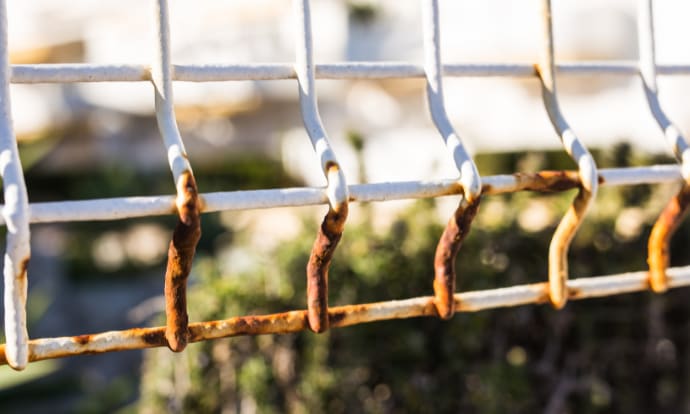
Untreated metal can suffer from rust and corrosion due to constant exposure to the elements. Over time, this weakens the structure and affects the appearance.
Choosing fencing made from galvanised steel or finished with a Polyester Powder Coating (PPC) provides long-term protection. These finishes are rust and corrosion-resistant, helping to extend the lifespan of security fencing, panels, and posts while reducing maintenance costs.
Splintering & Splitting
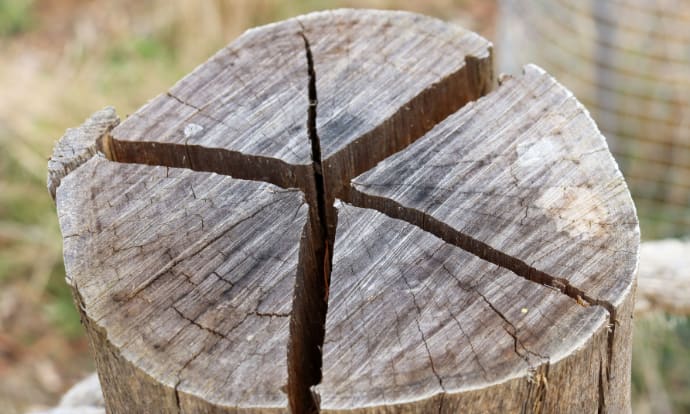
Timber fencing and timber posts can split or splinter as moisture enters the wood, freezes, and expands over repeated seasons. This not only affects durability but can also present a health and safety risk.
Damaged timber posts should be removed using appropriate PPE and replaced promptly. Options such as Tanalised UC4 or creosote-treated timber posts offer improved durability compared to untreated timber.
Collapsing & Rotting
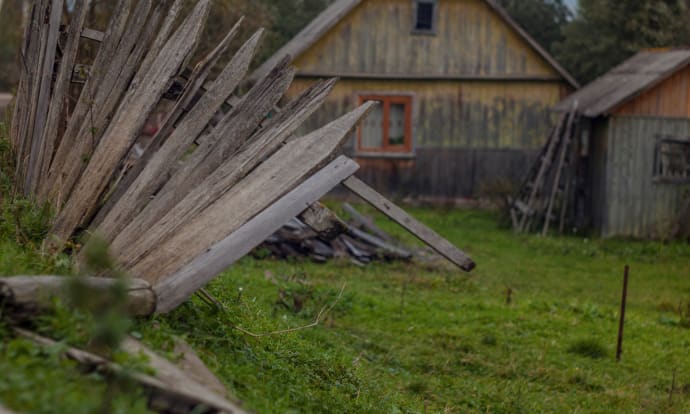
Ground moisture, soil movement, and tree roots can weaken the base, particularly on residential properties. Rotting posts can cause entire sections to collapse.
Using concrete posts can help protect panels from ground-level moisture and improve long-term stability, especially in challenging environments.
Solutions for Long-Lasting Boundaries
To maximise the lifespan of your fencing and gates, it’s essential to choose the right materials, ensure proper installation, and carry out regular checks.
The system should suit both the environment and the property type. For example, timber may not be suitable for areas with constant exposure to seawater, while galvanised steel or mesh fence systems offer greater durability in harsh conditions.
Some First Fence timber fencing and timber posts can be creosoted to increase longevity. We also offer Bambura® Wood Plastic Composite, combining a sophisticated timber appearance with excellent resistance to rot and moisture.
Proper Installation Matters
Correct installation is key to performance. A professional site survey helps determine ground conditions, wind exposure, and the most suitable fencing and posts for your needs.
If you would like to arrange a site survey or learn more about our installation services, please contact our installation team at installation@firstfence.co.uk.
Contact Us
If you have any questions about repairing or replacing your fencing, our team is here to help. Contact First Fence by phone on 01283 512 111, email sales@firstfence.co.uk, or speak to us via our live chat service.