



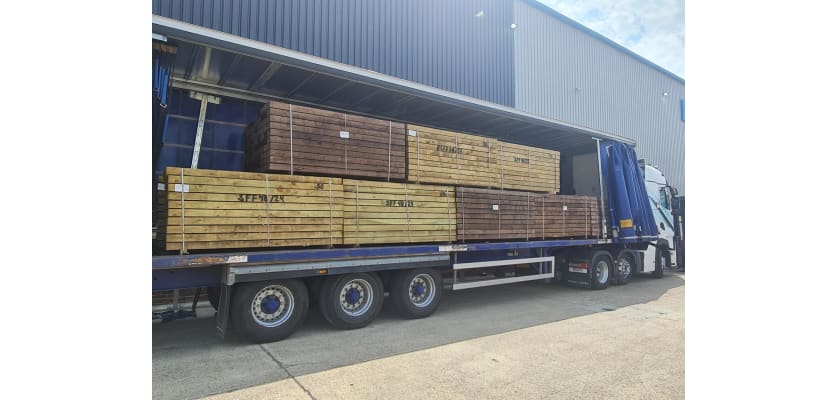
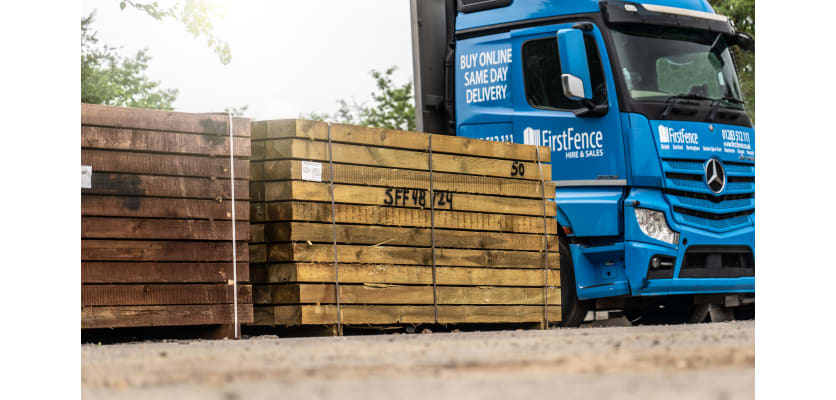
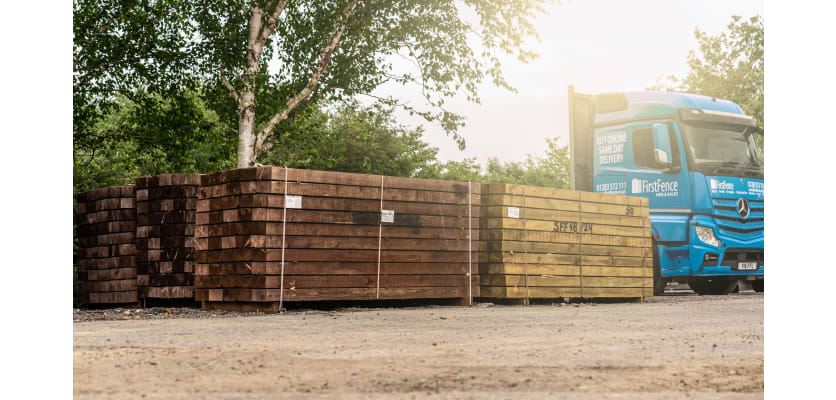
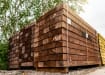
Brown Treated Railway Sleeper | 2400mm x 100mm x 200mm



Product Description
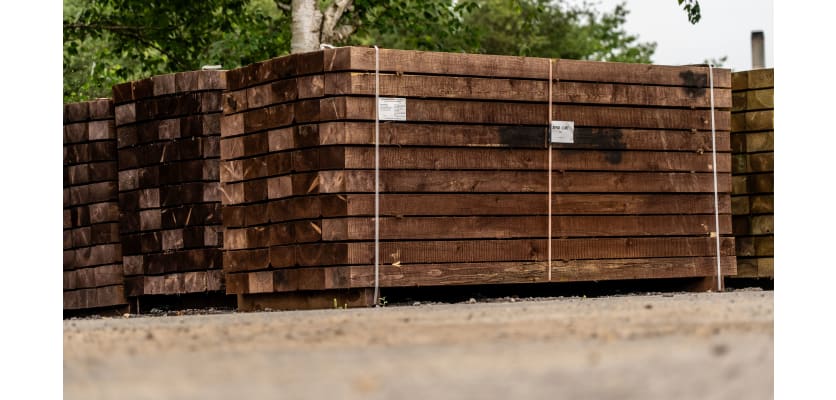
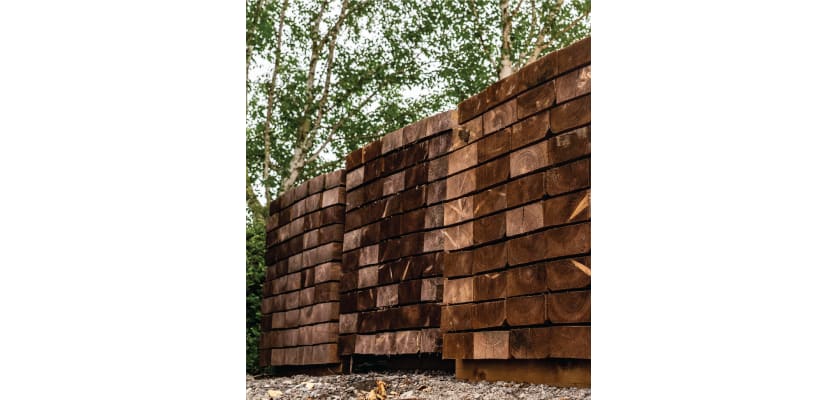
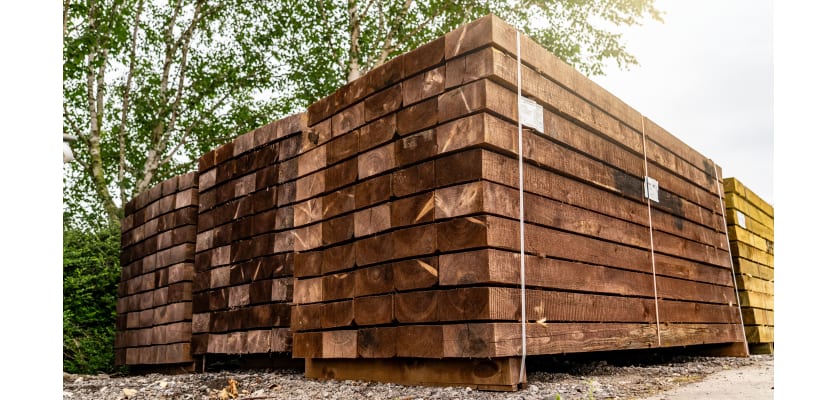
Brown Treated Railway Sleeper | 2400mm x 100mm x 200mm
What is a Sleeper or Railway Sleeper?
A Sleeper, also known as a Railway Sleeper, is a rectangular piece of wood which can be used for many different projects, including landscaping and gardening. Traditionally, Timber Sleepers are used to support railway tracks, which is where they got the name from. However, today, Railway Sleepers are most commonly used for creating garden flower beds, pathways, walls and borders.
Our Railway Sleepers are the perfect choice for taking your garden to the next level by enhancing the aesthetic appeal and functionality of your garden. So, whether you would like to try out your gardening skills by creating vegetable patches or flower beds or whether you would like to create a statement space in your garden, then our Garden Sleepers are for you!
Key Features
- Versatile Product
- Pre-treated wood to BS EN 351-1 treatment standard
- Beautiful texture of natural wood
- Wood Treatment on Sleeper helps reduce rot
- Available in a Pack of 100
- Grade 3 railway sleepers
- Ideal for raised flower beds and borders
Railway Sleeper Measurements
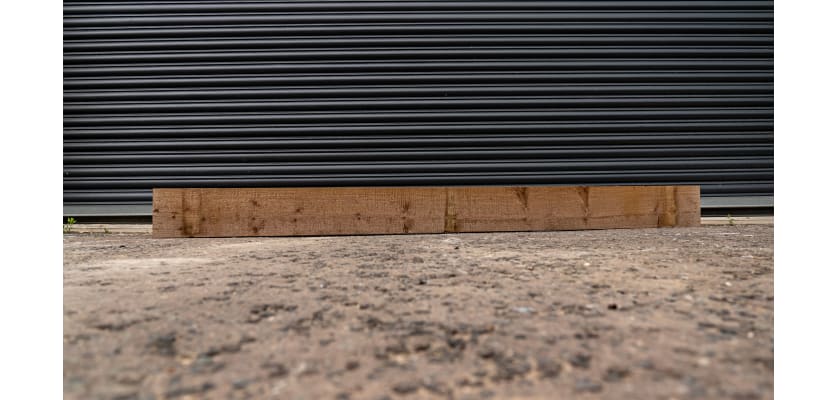
The dimensions of our Railway Sleepers are 2400mm in length, 100mm in height and 200mm in width. The Railway Sleeper can be safely manoeuvred by at least two people into your desired location. If you need a smaller size, then don’t worry, our Railway Sleepers can be easily cut down with a saw to meet your size or design requirement.
What ground types can I fix the Railway Sleepers on?
The best type of ground is firm and level ground. Concrete, decking, grass or soil are all surfaces on which Railway Sleepers can be installed. Sand, cement or offcuts can be used to level the ground. Don’t forget your trusty spirit meter.
Can I lay Railway Sleepers on the ground?
Yes, you can directly lay Railway Sleepers on soil. We recommend making sure the ground is as level as possible to make it easier to safely secure the Timber Sleeper to the ground. It’s important to consider that the moisture from the soil can cause the Sleeper to rot more quickly, and therefore, a waterproof membrane may need to be considered for prolonging the life of the Garden Sleeper.
Railway Sleepers Installation Guidance
The best way to install your Railway Sleepers will depend on what you are using the sleepers for and your ground type. We have created a 5-step guide and tips on how to safely lay garden sleepers.
Step 1: The first step involves a bit of housekeeping and making sure the ground is clear of any vegetation or debris, which may make the Railway Sleeper uneven.
Step 2: It’s time to level and potentially lay a base if you need to. If you would like your Railway Sleepers to be secured half in the ground, then you can dig a trench out. You can use gravel or concrete to create a solid level base if you need to. Make sure you use a spirit level to check its level.
Step 3: Fitting the Railway Sleepers. It's time to lay the Sleepers in the trench you dug, or if you didn’t dig a trench, place the Sleepers in the position you desire. For extra stability, wooden spikes can be used to secure them in place.
Railway Sleepers can be placed on top of each other as well as attached to each other to create your desired shape. If you would like to secure them together, you can use long landscaping screws or steel pins.
Step 4: Finishing Touches. This will all depend on what you are using your Railway Sleepers for. If you are using them for plant pots or vegetable gardens, well, now is the time to fill them up with soil and beautiful plants. If you are using them to create a path or a border, now you can do the finishing touches like adding gravel or border plants.
Step 5: The last step and most important step is to admire all your hard work and beautiful garden! Don’t forget to improve the life expectancy of Garden Sleepers; you can use wood stains and preserves.
Please note this is just a guide and may change depending on what you are using the Garden Sleepers for or the ground conditions.
Railway Sleepers Finishes
Available in green or brown finishes, which are designed to complement your outdoor space. Both Railway Sleepers have been pressure treated to the highest standard and conform to BS EN 351-1 Treatment standard. This expert wood treatment helps reduce the damaging effects of rot and extends the life expectancy of the beams. Treating Railway Sleepers with wood oil or preservers can prolong and preserve the Railway Sleepers even further.
If you are looking to renovate the whole garden or need a large number of Railway Sleepers, we offer a package deal of 100 Sleepers at a discounted price available in both green and brown.
Delivery and Offloading
Please Note: In terms of offloading, two people will be needed to safely manoeuvre the Railway Sleeper. We do offer assisted offload; this is where our driver will be able to help you offload the item by hand to the kerbside. Alternatively, if you are looking for an easier solution, our First Fence offload is for you. This is where we take care of safely offloading all the goods ourselves on the kerbside for you. A site contact will be needed to accept delivery.
We have a range of different delivery services available. Prices will vary for each different delivery service and offloading service. We also offer free collection at our depots.
Contact us
If you require more information about our Railway Sleepers, please get in touch with the team by calling 01283 512111 or emailing sales@firstfence.co.uk. Alternatively, we are available on the live chat.
Specifications & Downloads
| Length | 2400mm |
| Height | 100mm |
| Width | 200mm |
| Weight | 32kg |
| Material | Timber [Softwood] |
| Colour | Brown |
| Conforms To | BS EN 351-1 Treatment standard |
Specifications & Downloads
| Length | 2400mm |
| Height | 100mm |
| Width | 200mm |
| Weight | 32kg |
| Material | Timber [Softwood] |
| Colour | Brown |
| Conforms To | BS EN 351-1 Treatment standard |
Product Description
Brown Treated Railway Sleeper | 2400mm x 100mm x 200mm
What is a Sleeper or Railway Sleeper?
A Sleeper, also known as a Railway Sleeper, is a rectangular piece of wood which can be used for many different projects, including landscaping and gardening. Traditionally, Timber Sleepers are used to support railway tracks, which is where they got the name from. However, today, Railway Sleepers are most commonly used for creating garden flower beds, pathways, walls and borders.
Our Railway Sleepers are the perfect choice for taking your garden to the next level by enhancing the aesthetic appeal and functionality of your garden. So, whether you would like to try out your gardening skills by creating vegetable patches or flower beds or whether you would like to create a statement space in your garden, then our Garden Sleepers are for you!
Key Features
- Versatile Product
- Pre-treated wood to BS EN 351-1 treatment standard
- Beautiful texture of natural wood
- Wood Treatment on Sleeper helps reduce rot
- Available in a Pack of 100
- Grade 3 railway sleepers
- Ideal for raised flower beds and borders
Railway Sleeper Measurements
The dimensions of our Railway Sleepers are 2400mm in length, 100mm in height and 200mm in width. The Railway Sleeper can be safely manoeuvred by at least two people into your desired location. If you need a smaller size, then don’t worry, our Railway Sleepers can be easily cut down with a saw to meet your size or design requirement.
What ground types can I fix the Railway Sleepers on?
The best type of ground is firm and level ground. Concrete, decking, grass or soil are all surfaces on which Railway Sleepers can be installed. Sand, cement or offcuts can be used to level the ground. Don’t forget your trusty spirit meter.
Can I lay Railway Sleepers on the ground?
Yes, you can directly lay Railway Sleepers on soil. We recommend making sure the ground is as level as possible to make it easier to safely secure the Timber Sleeper to the ground. It’s important to consider that the moisture from the soil can cause the Sleeper to rot more quickly, and therefore, a waterproof membrane may need to be considered for prolonging the life of the Garden Sleeper.
Railway Sleepers Installation Guidance
The best way to install your Railway Sleepers will depend on what you are using the sleepers for and your ground type. We have created a 5-step guide and tips on how to safely lay garden sleepers.
Step 1: The first step involves a bit of housekeeping and making sure the ground is clear of any vegetation or debris, which may make the Railway Sleeper uneven.
Step 2: It’s time to level and potentially lay a base if you need to. If you would like your Railway Sleepers to be secured half in the ground, then you can dig a trench out. You can use gravel or concrete to create a solid level base if you need to. Make sure you use a spirit level to check its level.
Step 3: Fitting the Railway Sleepers. It's time to lay the Sleepers in the trench you dug, or if you didn’t dig a trench, place the Sleepers in the position you desire. For extra stability, wooden spikes can be used to secure them in place.
Railway Sleepers can be placed on top of each other as well as attached to each other to create your desired shape. If you would like to secure them together, you can use long landscaping screws or steel pins.
Step 4: Finishing Touches. This will all depend on what you are using your Railway Sleepers for. If you are using them for plant pots or vegetable gardens, well, now is the time to fill them up with soil and beautiful plants. If you are using them to create a path or a border, now you can do the finishing touches like adding gravel or border plants.
Step 5: The last step and most important step is to admire all your hard work and beautiful garden! Don’t forget to improve the life expectancy of Garden Sleepers; you can use wood stains and preserves.
Please note this is just a guide and may change depending on what you are using the Garden Sleepers for or the ground conditions.
Railway Sleepers Finishes
Available in green or brown finishes, which are designed to complement your outdoor space. Both Railway Sleepers have been pressure treated to the highest standard and conform to BS EN 351-1 Treatment standard. This expert wood treatment helps reduce the damaging effects of rot and extends the life expectancy of the beams. Treating Railway Sleepers with wood oil or preservers can prolong and preserve the Railway Sleepers even further.
If you are looking to renovate the whole garden or need a large number of Railway Sleepers, we offer a package deal of 100 Sleepers at a discounted price available in both green and brown.
Delivery and Offloading
Please Note: In terms of offloading, two people will be needed to safely manoeuvre the Railway Sleeper. We do offer assisted offload; this is where our driver will be able to help you offload the item by hand to the kerbside. Alternatively, if you are looking for an easier solution, our First Fence offload is for you. This is where we take care of safely offloading all the goods ourselves on the kerbside for you. A site contact will be needed to accept delivery.
We have a range of different delivery services available. Prices will vary for each different delivery service and offloading service. We also offer free collection at our depots.
Contact us
If you require more information about our Railway Sleepers, please get in touch with the team by calling 01283 512111 or emailing sales@firstfence.co.uk. Alternatively, we are available on the live chat.