Fencing Solutions for Zoos, Aquariums & Petting Farms During National Zoo & Aquarium Month
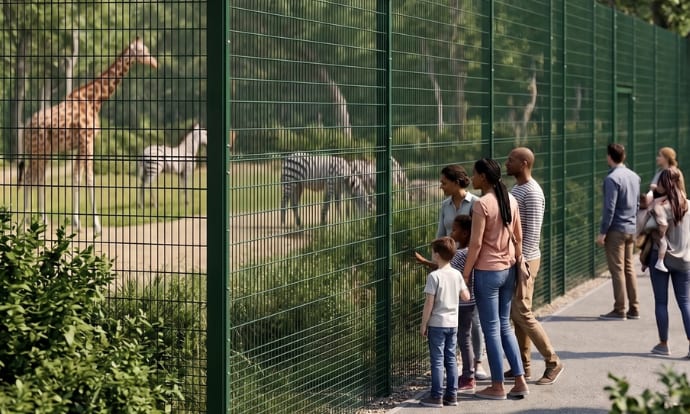
From visitor walkways and viewing areas to service zones and outdoor enclosures, fencing can help create safe, durable, and visually appropriate boundaries across a wide range of environments. While fencing requirements will vary depending on the animals, site layout, and regulations involved, many general-purpose fencing systems are commonly selected for their strength, visibility, and versatility in public-facing outdoor spaces.
Why Fencing Matters in Zoos & Aquariums
Zoos, aquariums, wildlife parks, and petting farms are designed to balance visitor experience with practical site management. Fencing can support this by helping to:
- Define visitor pathways and restricted areas
- Organise open recreational spaces
- Protect landscaped zones and habitats
- Create durable perimeter boundaries
- Improve visibility for staff supervision
- Separate service or maintenance areas from public access
Different areas within an attraction often require different styles of fencing depending on visibility, aesthetics, and the level of separation required.
Mesh Fencing for Public Viewing Areas & Activity Zones
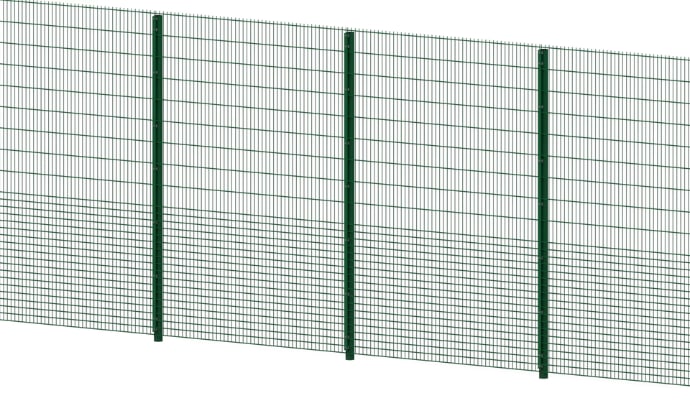
Rebound 868 Mesh Fencing
Originally designed for sports courts, Rebound mesh fencing is valued for its ability to withstand repeated impact. These qualities can also make this style of fencing suitable for high-footfall public environments where robust boundary systems are important.
The open mesh design allows for excellent sightlines, helping visitors maintain clear views across outdoor spaces while enabling staff supervision. Green polyester powder coated finishes also allow the fencing to blend naturally into landscaped surroundings.
High-Visibility Security Boundaries
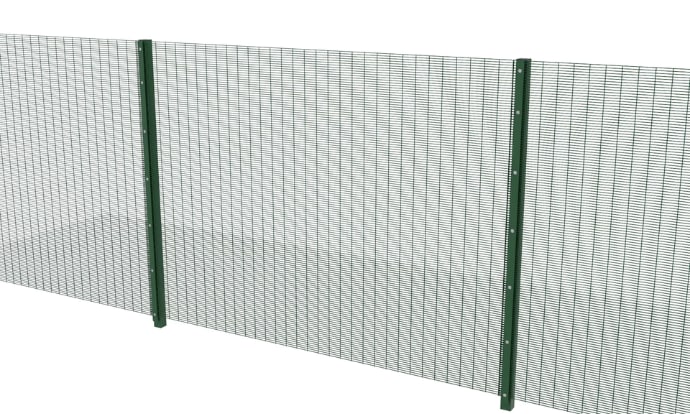
358 Mesh Fencing
For attractions that require more secure perimeter management, 358 mesh fencing is often chosen for its anti-climb design and clear visibility. Due to its durability, 358 mesh is ideal for installations around maintenance compounds, storage areas, or staff-only zones.
Its tightly spaced mesh apertures provide a strong physical deterrent while still allowing unobstructed sightlines for monitoring and CCTV coverage. This balance of visibility and security can be especially useful in large public venues where operational areas need to remain separated from visitor spaces.
Importantly, while this style of fencing is widely used in high-security environments, any fencing selection for animal facilities should always be assessed against the specific operational and welfare requirements of the site.
Wall Topper Systems for Existing Boundaries
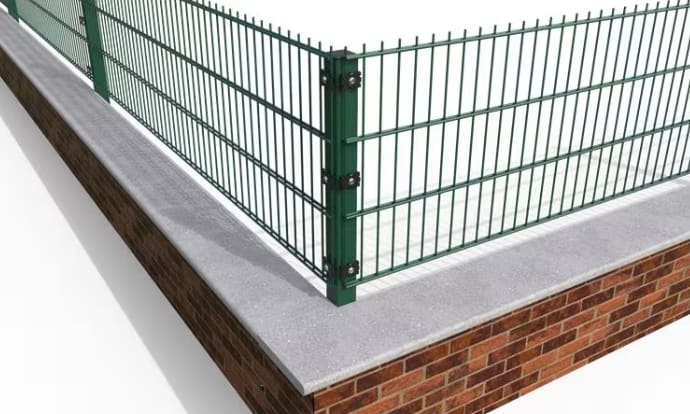
Many zoos, aquariums, and wildlife parks feature existing walls around service yards, plant rooms, or delivery zones. In these cases, wall-mounted mesh topper systems can offer a practical way to extend existing boundaries without completely rebuilding perimeter structures.
Available in straight, 60-degree, and 90-degree crank designs, these systems can help strengthen perimeter separation while maintaining a professional appearance. Their modular design also allows them to be adapted to different layouts and wall types.
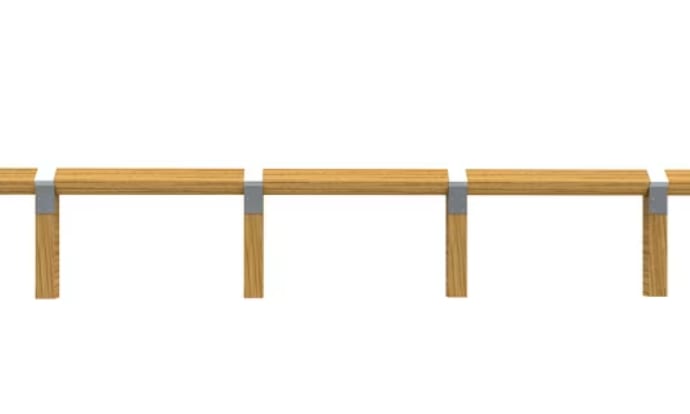
Timber Knee Rail Fencing for Visitor Pathways
Not every area within an animal attraction requires high-security fencing. In many landscaped spaces, softer boundary solutions are often preferred to maintain an open and welcoming feel.
Timber knee rail fencing is commonly used to guide pedestrians, protect planted areas, and define pathways without obstructing views. Its low-profile appearance works particularly well in natural or rural-themed attractions, helping spaces feel open while still subtly directing visitor movement.
Because knee rail fencing sits at a lower height, it is generally used for boundary definition rather than security.
Timber Gates & Rural-Style Access Points
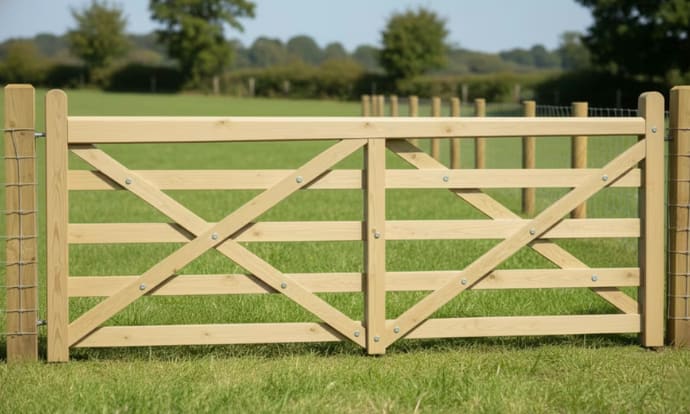
In petting farms, countryside attractions, and wildlife parks, timber ranch and field gates can complement rural surroundings while providing practical access for vehicles, staff, and maintenance teams.
These traditional-style gates are often selected for their natural appearance and suitability for agricultural-style environments. Combined with agricultural fencing systems, they can help create organised layouts across paddocks, pathways, and service routes.
Agricultural Fencing in Wildlife & Farm Environments
Agricultural fencing products are frequently used across open rural attractions due to their flexibility and practicality. Wire fencing, timber posts, gates, and hurdles can all contribute to managing boundaries and guiding movement across large outdoor sites.
Different wire mesh configurations are available depending on the environment and intended application, with options designed to support durability, visibility, and long-term outdoor performance.
Chain Link for Basic Animal Enclosures
While mesh enclosure fencing is a solid choice, petting zoos or basic animal enclosures can benefit from chain link fencing. Discover more chain link applications.
Balancing Practicality, Durability & Visitor Experience
Modern animal attractions often need fencing systems that do more than simply create boundaries. Appearance, visibility, maintenance requirements, and longevity all play a role in selecting the right solution for public-facing environments.
Powder-coated mesh systems offer a clean, modern appearance with low maintenance requirements, while timber systems can help create a softer and more natural aesthetic. By combining different fencing styles across a site, attractions can create spaces that feel both organised and welcoming for visitors.
Celebrating National Zoo & Aquarium Month
National Zoo & Aquarium Month is a great opportunity to recognise the work that animal attractions do in conservation, education, and public engagement. While animals are naturally the main focus, the surrounding infrastructure also plays an important role in helping these environments operate smoothly and safely for both visitors and staff.
From mesh fencing and timber boundaries to agricultural gates and perimeter systems, durable fencing solutions can support the everyday function while helping maintain attractive and practical public spaces.
Contact Us
If you need to discuss the requirements of your next job, including zoo fencing, contact the friendly First Fence experts for more information. You can reach us by:
- Phone on 01283 512 111
- Email at sales@firstfence.co.uk
- Opening a live chat on our website
You can also reach out to our installation team at installation@firstfence.co.uk to arrange a site survey and professional installation.