Keeping Wildlife Safe: First Fence Agriculture Solutions
By choosing wildlife-friendly fencing systems and incorporating features designed to reduce the risk of injury or entrapment, landowners can help protect local species while maintaining effective boundaries and infrastructure. At First Fence, we offer a range of agricultural solutions that support both land management and conservation.
Animal Safety in the UK
Around 90% of the UK's land area is classified as rural, creating a rich and diverse habitat for countless species of wildlife. In countryside environments, it is common to encounter animals such as pheasants, rabbits, foxes, badgers, deer, and many others. When planning fencing and gate solutions for rural properties, it is important to consider animal welfare and minimise the risk of wildlife becoming trapped or injured.
Many native species are protected by UK law to help preserve biodiversity and maintain the delicate balance of local ecosystems. These animals should never be intentionally harmed, captured, or disturbed. Protected species include, but are not limited to:
- Bats
- Dormice
- Otters
- Badgers
- Red squirrels
- Barn owls
- Natterjack toads
Taking wildlife into account when selecting fencing can help create safer environments for both animals and land users.
What Can Help?
Different species interact with their surroundings in different ways. Some animals burrow underground, while others climb, jump, or fly. Understanding these behaviours can help landowners select fencing solutions that are both effective and wildlife-friendly.
Badger Gates
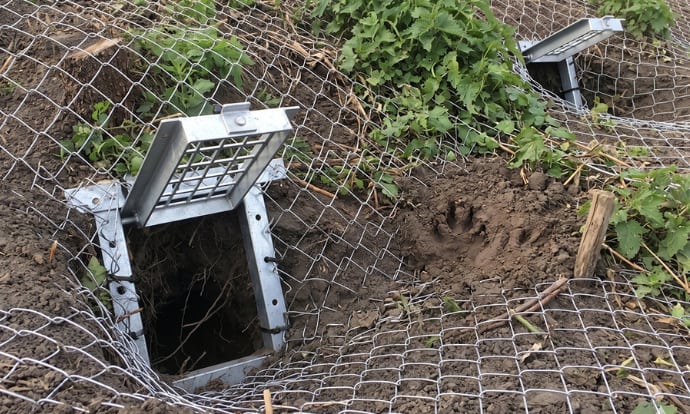
Badgers create extensive underground networks of tunnels and chambers known as setts, meaning they spend much of their time travelling at or below ground level. Traditional fencing can sometimes obstruct these routes, potentially leading to damage to the fence or injury to the animals.
Our PastureGuard® Badger Gates provide a practical solution by allowing badgers to pass safely through fenced areas while maintaining secure boundaries for livestock. By incorporating a badger gate into a fencing system, landowners can provide a dedicated route for badgers to access their sett safely. This can help reduce damage to fencing and minimise the risk of injury to both wildlife and livestock.
Featuring a two-way gravity swing mechanism, the gate opens and closes in either direction, allowing animals to move naturally through their environment. Manufactured from galvanised 4mm heavy-duty steel, these gates are built to provide long-lasting performance in demanding agricultural settings.
Highway Post and Rail
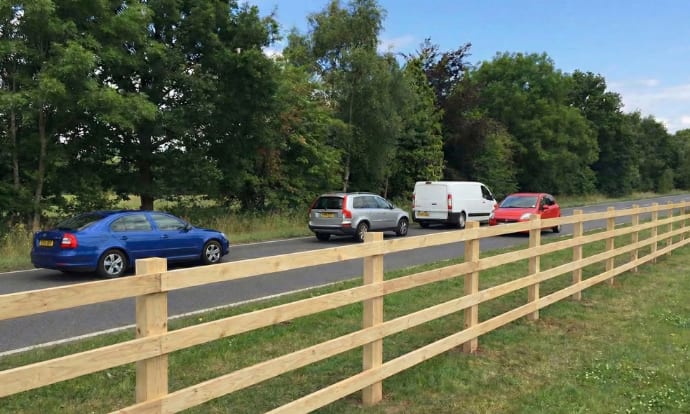
Highway post and rail fencing offers a durable boundary solution that complements the natural landscape while helping to separate land from nearby roads and pathways. Manufactured from heavy-duty timber, it is designed to withstand challenging outdoor conditions and resist decay caused by exposure to roadside pollutants.
The spacing between rails can help discourage animals such as deer and sheep from attempting to pass through the fence. A four-rail system provides narrower gaps, reducing the likelihood of animals becoming trapped or attempting to squeeze through while maintaining a traditional countryside appearance.
Timber Knee Rail
Timber knee rail fencing is a popular choice for countryside environments, offering a subtle and natural-looking boundary solution. While it is not designed to provide security, it is highly effective for guiding pedestrians, cyclists, and vehicles along designated routes while maintaining the character of the surrounding landscape.
Its low-profile design allows smaller wildlife to move freely beneath or around the barrier, helping to minimise disruption to natural movement patterns. This makes timber knee railing an excellent option for parks, public footpaths, nature reserves, and other locations where preserving wildlife access is an important consideration.
Overall Safety
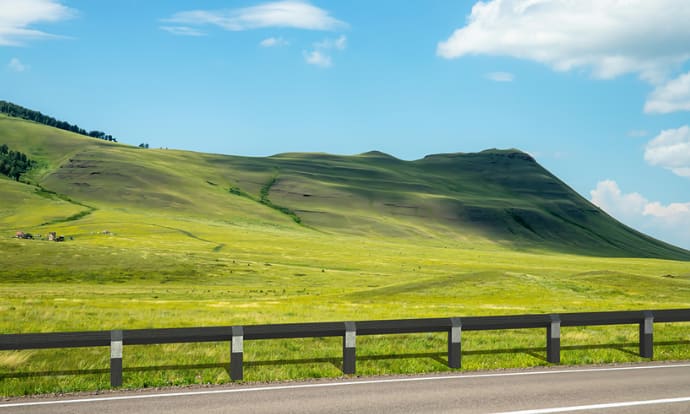
Protecting wildlife should be a key consideration when selecting fencing and access solutions for rural and agricultural environments. By choosing products that accommodate the natural behaviours of local species, such as badger gates, post and rail fencing, and timber knee rail systems, landowners can help reduce the risk of injury while maintaining effective boundaries.
Thoughtful fencing design not only supports animal welfare but also contributes to the long-term sustainability of the UK's rural landscapes. By balancing practical land management with environmental responsibility, it is possible to create safer spaces for wildlife while maintaining the functionality required for modern agricultural operations.
Discuss Animal Safety With Us
If you have concerns about animal welfare in your area, get in touch and ask us about our solutions. Our friendly experts are available by:
- Phone on 01283 512 111
- Email at sales@firstfence.co.uk
- Live chat on our website
You can also ask about opening up a trade account to enjoy benefits including 30-day invoicing, priority lead times, and bulk discounts.