What You Need to Know About Capital Grants in 2026
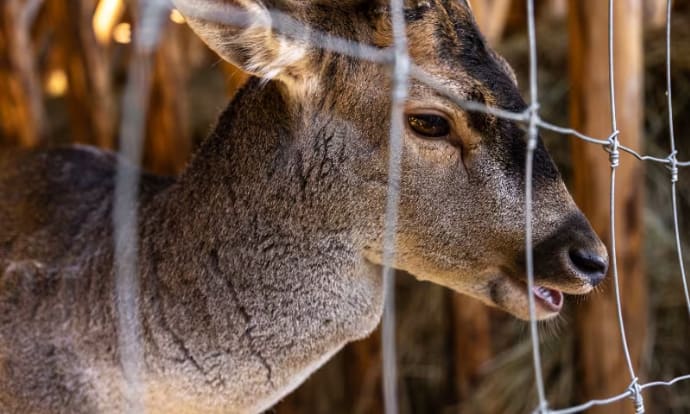
The good news is that the Capital Grants 2026 scheme helps offset these costs by providing funding for a wide range of agricultural fencing and gateway projects. With £225 million available to support environmental improvements across England, the scheme gives farmers and land managers an excellent opportunity to improve their land while reducing upfront costs.
In this guide, we'll explain how the Capital Grants scheme works, what fencing is covered and how to prepare your application.
What is a Capital Grant?
Defra Capital Grants are part of the Countryside Stewardship programme. They are designed to help farmers, land managers and rural businesses carry out projects that improve the environment while supporting productive farming.
The 2026 scheme includes funding for projects that benefit:
- Boundaries, trees and orchards
- Water quality
- Air quality
- Natural flood management
- Farm improvements
- Environmental assessments
For many farmers, boundary fencing is one of the most relevant funding opportunities, helping to create secure livestock enclosures, protect waterways and improve habitat management.
How to Secure a Capital Grant
To qualify for funding, fencing must meet Defra’s specifications. While requirements vary depending on the grant item, standard agricultural fencing generally includes:
- Pressure-treated timber or equivalent metal posts
- Suitable intermediate and straining posts
- Correct wire spacing for livestock
- Appropriate post spacing depending on the type of wire used
- Straining posts installed at changes in direction and at regular intervals
Using quality materials from the outset helps ensure your fencing meets grant requirements while providing long-term durability.
What Can a Capital Farm Fencing Grant Be Used For?
Rather than reimbursing the total cost of a project, Capital Grants provide fixed payments for approved items.
Some of the main farm fencing grants available include:
| Grant Item | Payment Rate |
| Standard Fencing (FG1) | £6.34 per metre |
| Sheep Netting (FG2) | £7.47 per metre |
| Permanent Electric Fencing (FG3) | £5.66 per metre |
| Deer Fencing (FG9) | £10.27 per metre |
| Temporary Deer Fencing (FG10) | £8.09 per metre |
| Rabbit Fencing | £5.65 per metre |
| Difficult Site Supplement | £3.98 per metre |
In addition to fencing, funding is also available for related agricultural infrastructure, including:
- Wooden field gates
- Water gates
- Gateway improvements
- Livestock tracks
- Watercourse crossings
- Livestock drinking equipment
This means many farmers can complete an entire boundary improvement project with a single application, rather than funding fencing alone.
Why Good Agricultural Fencing Matters
Well-designed fencing offers far more than simply marking a boundary.
It helps:
- Keep livestock safe and secure
- Protect watercourses from grazing damage
- Improve grazing management
- Reduce maintenance costs over time
- Support biodiversity projects
- Create safer working environments
- Increase the lifespan of farm infrastructure
Choosing durable fencing systems means you'll spend less time repairing boundaries and more time focusing on day-to-day farm management.
Don't Forget the Gates
Many grant-funded fencing projects also include gateways, making this the ideal time to replace old or damaged entrances.
Installing new field gates alongside your farm land fencing provides:
- Safe livestock access
- Easier machinery movement
- Improved security
- Consistent boundary protection
- A professional finish to the overall installation
Planning fencing and gateways together can make installation more efficient while creating a complete boundary solution.
Preparing Your Application
Applications for the 2026 Capital Grants scheme are open, with funding awarded until the available budget has been allocated. Demand is expected to be high, so preparing in advance is essential.
Before applying, you should:
- Check your Rural Payments Agency details are up to date
- Ensure your land parcels are correctly mapped
- Gather any supporting evidence required
- Confirm your tenancy or land ownership details
- Check whether your project requires additional approvals or Catchment Sensitive Farming support
- Make sure you have sufficient funds to complete the work before claiming reimbursement
Remember that Defra Capital Grants are paid after the work has been completed, so you'll need to finance the installation initially before claiming the grant.
There is also a short 10 working day window to submit your supporting evidence after applying, so be sure to have everything ready.
For landowners looking at refunding, please be aware that there is a 7-year exclusion on refunding the same fencing.
Why Choosing the Right Supplier Matters
While the grant provides fixed payment rates, choosing a fencing supplier that offers competitive pricing, reliable products and expert advice can help maximise the value of your funding.
Working with an experienced supplier means you can source fencing, gates and accessories that meet the required specifications while ensuring your project is built to last.
Make the Most of the 2026 Capital Grants
With funding available for fencing, gates and other agricultural improvements, the 2026 Capital Grants scheme presents an excellent opportunity to invest in your farm's infrastructure.
Whether you're replacing worn-out stock fencing, improving livestock management or protecting environmentally sensitive areas, careful planning now can help you take full advantage of the funding available.
By choosing high-quality agricultural fencing systems that meet the grant requirements, you'll not only improve your farm today but also create durable, long-lasting boundaries for years to come.
Get Help From First Fence
If you have any questions about our agriculture range or need help choosing products, please contact us. We are available by:
- Phone on 01283 512 111
- Email at sales@firstfence.co.uk
- Live chat on our website
We can also help set up a trade account so you can benefit from bulk-buy discounts and 30-day invoicing.