First Facts: What is BS EN ISO 1461:2009?
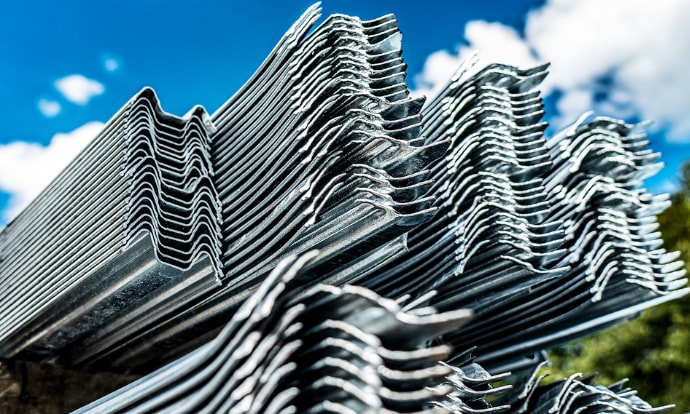
This internationally recognised standard sets the benchmark for hot dip galvanised coatings on fabricated steel and iron articles. But what does that actually mean, and why should it matter when choosing fencing?
In this edition of First Facts, we're breaking down everything you need to know about BS EN ISO 1461:2009 and why it's such an important part of manufacturing high-quality steel fencing.
What is BS EN ISO 1461:2009?
BS EN ISO 1461:2009 is the British and European adoption of the international standard for hot dip galvanised coatings on fabricated iron and steel products.
It discusses the requirements for the galvanising process, including:
- Minimum coating thickness
- Coating quality and appearance
- Testing and inspection methods
- Coating adhesion
- Areas that should and should not be coated
The standard aims to ensure galvanised steel products receive a durable, consistent protective coating that helps prevent corrosion throughout their service life.
What is Hot Dip Galvanising?
Hot dip galvanising is one of the most effective ways to protect steel from rust.
During the process, a finished steel product is thoroughly cleaned before being immersed in a bath of molten zinc at temperatures of around 450°C. The zinc reacts with the steel to form a series of zinc-iron alloy layers, creating a tough outer coating that becomes part of the steel itself rather than simply sitting on the surface.
This protective layer acts as a barrier against moisture and oxygen while also providing sacrificial protection. If the surface is scratched, the surrounding zinc continues to protect the exposed steel, helping to reduce the risk of corrosion.
Why is Galvanisation Important for Fencing?
Fencing is constantly exposed to the elements. Rain, frost, UV rays, pollution and changing temperatures all contribute to corrosion over time.
Without adequate protection, steel fencing can quickly develop rust, leading to:
- Reduced structural strength
- Increased maintenance requirements
- Poor appearance
- Shorter product lifespan
- Higher replacement costs
Hot dip galvanising provides long-term protection, making it an ideal choice for fencing that needs to perform reliably year after year.
How is BS EN ISO 1461:2009 Used in Fencing?
Many steel fencing systems are manufactured to comply with BS EN ISO 1461:2009 before leaving the factory.
This includes products such as:
- Mesh fencing systems
- Palisade fencing
- Railings
- Security gates
- Fence posts
- Vehicle barriers
- Access control equipment
Applying the galvanised coating after fabrication means that welds, joints, drilled holes and cut edges are all protected, providing complete corrosion resistance across the finished product.
This is particularly important for security fencing, where durability and structural integrity are essential.
What are the Benefits of Choosing Galvanised Fencing?
Choosing fencing manufactured to BS EN ISO 1461:2009 offers several advantages.
Excellent corrosion resistance
The zinc coating protects steel against rust in a wide range of environments, including industrial, rural and many coastal locations.
Longer service life
Properly galvanised fencing can provide decades of protection with minimal deterioration, helping reduce whole-life costs.
Low maintenance
Unlike painted steel, galvanised fencing requires very little maintenance. There's no need for regular repainting or extensive rust treatment.
Tough, durable finish
The galvanised coating is highly resistant to knocks, abrasions and everyday wear, making it ideal for busy commercial and public spaces.
Cost-effective protection
Although galvanising adds an extra manufacturing step, the reduction in maintenance and replacement costs often makes it the most economical option over the lifetime of the fencing.
Is Galvanised Steel Enough on its Own?
In many applications, hot dip galvanising provides all the protection required.
However, some fencing systems receive an additional polyester powder coated (PPC) finish after galvanising. This is known as a duplex coating system.
The combination of galvanising and powder coating offers:
- Enhanced corrosion resistance
- Increased product lifespan
- Greater scratch resistance
- A wide choice of colours
- Improved appearance
This makes duplex-coated fencing particularly popular for schools, commercial developments, public spaces and architectural projects where aesthetics are just as important as durability.
How is Compliance Checked?
BS EN ISO 1461:2009 includes strict inspection requirements to ensure products meet the specification.
Manufacturers or galvanising specialists may inspect products for:
- Coating thickness
- Surface coverage
- Overall finish
- Continuity of the coating
- Any defects that could affect performance
Testing helps confirm that each galvanised product meets the required standard before it reaches the customer.
Why Does This Standard Matter?
Standards like BS EN ISO 1461:2009 give customers confidence that products have been manufactured to recognised quality requirements.
Rather than relying solely on appearance, buyers can be assured that the galvanised coating has been applied to meet established performance criteria designed to maximise durability and corrosion protection.
When investing in steel fencing, choosing products manufactured in accordance with recognised standards helps ensure you're purchasing a solution that's built to last.
Discuss Your Requirements with First Fence
If you need to discuss your next project requirements, please contact us for expert advice. We are available by:
- Phone on 01283 512 111
- Email at sales@firstfence.co.uk
- Live chat on our website
We can also help set you up with a trade account so you can benefit from 30-day invoicing, direct-to-site delivery, and priority lead times.