Which Type of Mesh Fencing Is Right for Your Project?
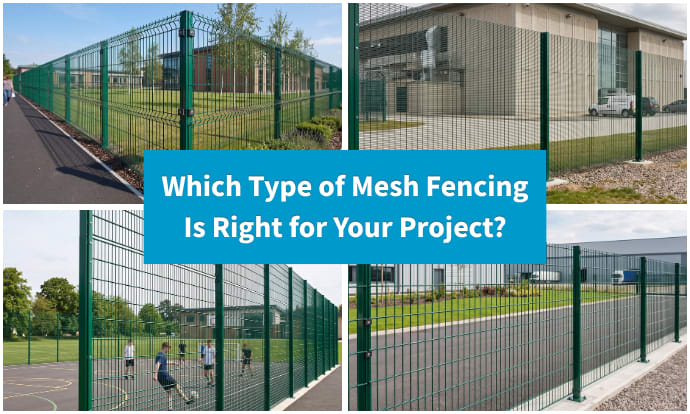
Thanks to its strong steel construction and protective coatings, mesh fencing is designed to withstand harsh weather conditions while maintaining a clean, professional finish. Available in a variety of styles, heights, and specifications, there is a mesh fencing solution suitable for almost every application.
In this guide, we’ll explore the different types of mesh security fencing and where they are most commonly used.
The Different Types of Mesh
V Mesh Fencing: The Versatile All-Rounder
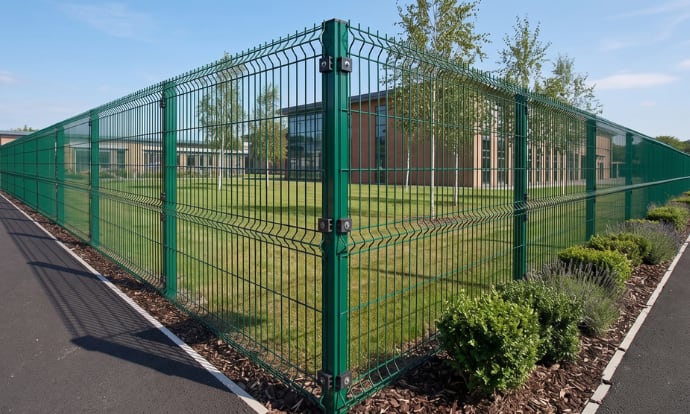
V mesh fencing, sometimes referred to as V-shaped fencing, is one of the most widely used mesh fencing systems in the UK. Recognisable by the “V” pressed profile within the panel, this style provides added rigidity and strength without compromising visibility.
Its sleek appearance makes it a popular choice for both residential and commercial environments.
Common Uses for V Mesh Fencing:
- Schools and colleges
- Commercial premises
- Residential developments
- Retail parks
- Public buildings
- Light industrial sites
V mesh fencing is ideal when you need a secure boundary that also looks modern and unobtrusive. Available in heights ranging from 1.13m to 3.0m, it can easily be adapted to different security requirements.
Twin Mesh Fencing: Extra Strength for Higher Security
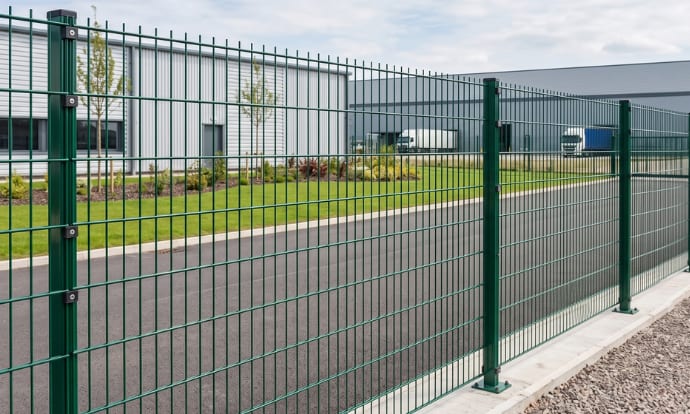
Twin mesh fencing is designed for applications where increased strength and durability are essential. Featuring double horizontal wires welded to a vertical wire, this fencing system is far more resistant to impact damage and vandalism than standard mesh panels.
Available in both 656 and 868 mesh specifications, twin mesh fencing is commonly selected for sites that experience heavy use or require enhanced protection.
Common Uses for Twin Mesh Fencing:
- Industrial facilities
- Schools and universities
- Sports facilities
- Distribution centres
- Car parks
- Warehouses
Its robust construction makes twin mesh fencing particularly effective in high-traffic areas where long-term durability is important.
358 Prison Mesh Fencing: Maximum Security Protection
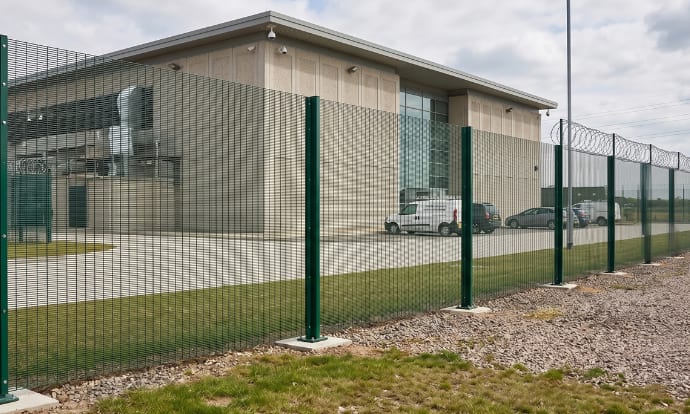
358 mesh fencing, often known as prison mesh or anti-climb mesh, is one of the most secure fencing systems available. The tight mesh spacing makes it extremely difficult to climb or cut through, while also limiting the use of hand tools.
This fencing is specifically designed for high-risk and high-security environments where perimeter protection is critical.
Common Uses for 358 Mesh Fencing:
- Prisons and correctional facilities
- Data centres
- Utility sites
- Infrastructure projects
- Secure compounds
- High-risk commercial premises
Available in heights up to 3.0m, 358 mesh fencing provides exceptional protection while still allowing visibility for CCTV monitoring and surveillance. 358 D mesh fencing is also available, with an additional V-shaped format to reinforce the panel’s structural integrity.
Safe Top Mesh Fencing: Safety-Focused Protection
Safe top mesh fencing, also known as roll top mesh fencing, is specifically designed with safety in mind. The rolled top and bottom edges remove sharp edges, helping to reduce the risk of injury.
Because of this, safe top mesh fencing is commonly used in areas where children or members of the public are present.
Common Uses for Safe Top Mesh Fencing:
- Schools and nurseries
- Playgrounds
- Parks and recreation areas
- Sports facilities
- Residential developments
Safe top mesh fencing combines security, safety, and aesthetics, making it ideal for environments where public safety is a priority.
Stripe Mesh Fencing: Stylish Security Solutions
Stripe mesh fencing, also known as paladin mesh fencing, combines decorative appearance with practical security. Its distinctive striped pattern creates a more visually appealing perimeter while still maintaining strength and visibility.
This fencing style is often chosen for locations where appearance matters just as much as security.
Common Uses for Stripe Mesh Fencing:
- Residential developments
- Office buildings
- Leisure facilities
- Commercial properties
- Public spaces
Stripe mesh fencing is a great option for projects that require an attractive yet functional fencing solution.
Rebound Fencing: Built for Sports Facilities
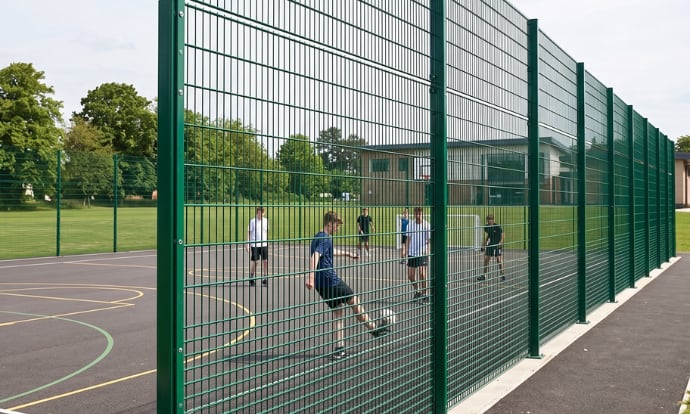
Rebound fencing is specifically engineered for sports environments where fencing must withstand repeated ball impact. Its durable construction ensures the fence remains stable even under constant use.
Available in heights from 3.0m to 6.0m, rebound fencing is designed to contain sports activities while protecting surrounding areas safely.
Common Uses for Rebound Fencing:
- Multi-use games areas (MUGAs)
- Football pitches
- Basketball courts
- Tennis courts
- Sports centres
- Schools and academies
Its strength and resilience make rebound fencing an essential part of many sports facility installations.
Get More From First Fence
In addition to a full range of mesh fencing, we also offer mesh wall toppers that can be installed onto existing solid fencing.
We can also professionally install your new fencing. Simply email installation@firstfence.co.uk to arrange a site survey and installation.
Choosing the Right Mesh Fencing for Your Project
By understanding the strengths and ideal applications of each fencing type, you can select the most suitable solution for your site, ensuring the perfect balance of security, safety, durability, and appearance.
If you have any questions or need to discuss your next project, please contact us by:
- Phone at 01283 512 111
- Email at sales@firstfence.co.uk
- Live chat on ur website