Temporary Works Design: What It Is and Why It’s Essential for Your Project
What is Temporary Works Design?
A Temporary Works Design (TWD) is a detailed engineering plan that outlines how temporary structures will function safely throughout the duration of a project. These structures might include:
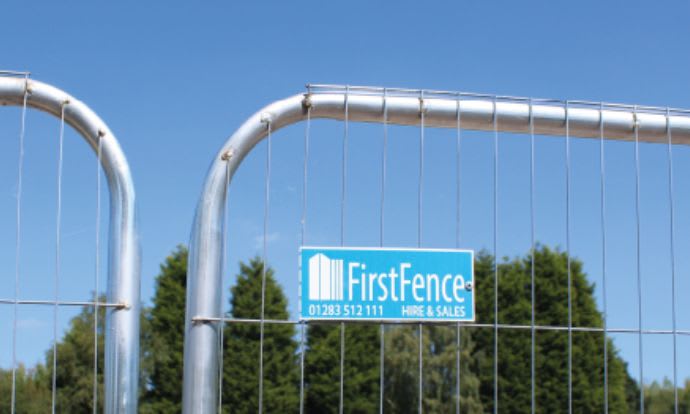
- Temporary fencing systems
- Steel hoarding
- Access and security gates
- Specialist systems such as RapidShield®
Unlike permanent works, these structures are only in place during construction—but they still play a vital role. A TWD ensures that these systems can safely support site operations until the permanent build is complete.
Why is Temporary Works Design Important?
1. Ensures Site Safety
The primary purpose of a TWD is to maintain safety. Temporary structures must withstand environmental forces such as wind loads, as well as operational pressures like site traffic and public interaction. A properly designed system reduces the risk of collapse, accidents, and injuries.
2. Supports Compliance with Standards
All temporary works should comply with relevant safety standards, such as BS 5979. A professionally developed TWD ensures your site meets these requirements, helping you avoid legal issues and project delays.
3. Improves Efficiency and Planning
A clear design allows for smoother installation and management of temporary systems. With everything planned, your team can work more efficiently, reducing downtime and unexpected complications.
4. Prevents Costly Delays
Failure of temporary works can halt a project entirely. By investing in a TWD upfront, you minimise the risk of structural issues that could lead to delays, additional costs, or reputational damage.
When Do You Need a TWD?
As a general rule, a Temporary Works Design is required whenever temporary structures are used on-site and need to support loads or ensure safety. Importantly:
- One TWD is typically required for each product type
- If you are unsure, always seek advice from a structural, civil, or building engineer
- You can also consult the Health and Safety Executive for guidance on requirements for projects of all sizes
How to Arrange a Temporary Works Design
Booking a TWD can be simple. When ordering your temporary fencing, gates, RapidShield®, or hoarding systems, you can usually select an option to include a design as part of your purchase.
Professional engineers will then:
- Survey your site
- Assess loads and environmental conditions
- Ensure your setup complies with safety standards
- Provide a clear, structured plan for installation and use
Expert Support When You Need It
If you’re unsure about your requirements or need guidance, it’s always best to speak to experts. A knowledgeable team can help you determine whether a TWD is necessary and ensure your project runs smoothly from start to finish.
Final Thoughts
Temporary Works Design might only support your project for a short time, but its impact is long-lasting. From protecting workers and the public to keeping your project compliant and on schedule, a well-executed TWD is a crucial investment.
If in doubt, always seek professional advice—because when it comes to construction safety, it’s better to plan than to fix problems later.